

Areca Palm Care Guide: Sunlight, Humidity & Living Room Placement
Maintain lush, arching golden-green fronds with practical humidity and light management.
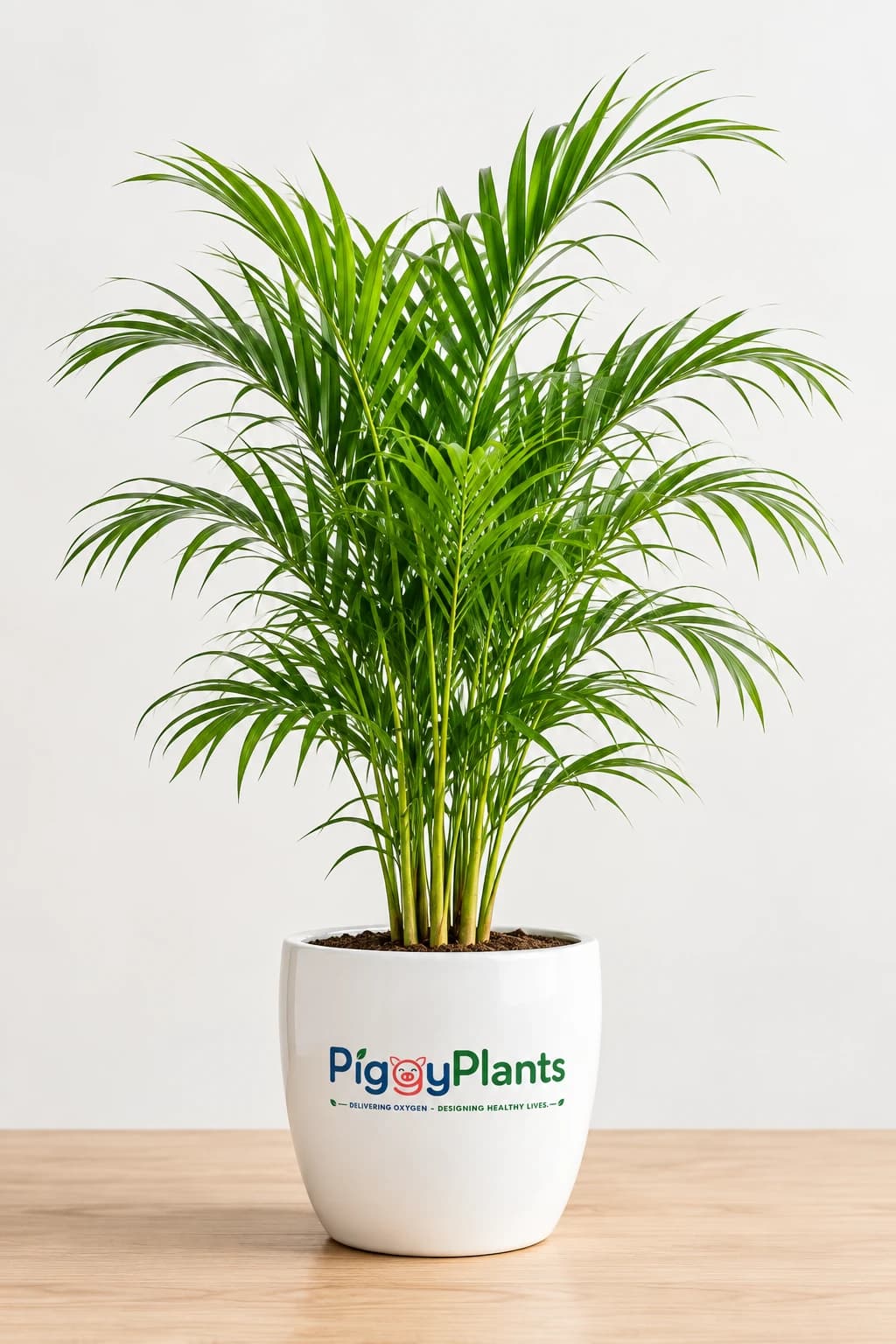
The Areca Palm (Dypsis lutescens) transforms apartment living rooms into serene botanical sanctuaries. Celebrated by interior architects for its lush tropical fronds, it also functions as an efficient living humidifier, transpiring significant moisture into dry air conditioned rooms.
1. The Ideal Living Room Light Setting
Areca Palms love bright, filtered light. Direct afternoon sun will bleach the delicate fronds and turn leaf edges yellowish-brown, while deep shade will cause lower stalks to thin out. Position your Areca Palm within 3 to 6 feet of a large window with sheer curtains.
2. Consistent Soil Hydration
Unlike drought-tolerant succulents, Areca Palms prefer slightly moist, well-aerated potting mix. Allow only the top 1.5 inches of soil to dry before watering again. Water evenly around the circumference of the pot until water seeps from drainage holes.
Key Botanical Tips
- Use purified or standing tap water if your municipal supply has high mineral salts.
- Never let the pot stand in standing water for prolonged hours.
- Mist the fronds lightly twice a week in air conditioned spaces.
3. Managing Brown Frond Tips
Dry air conditioning and mineral build-up are the primary causes of brown frond tips. Occasional browning of outer older stalks is also part of the palm's natural growth cycle. Trim dry tips with sharp shears following the natural contour of the leaflet.
Featured Plants Mentioned in This Guide
View All 20
Frequently Asked Questions
Is Areca Palm pet safe?
Yes, Areca Palms are 100% non-toxic to both dogs and cats according to the ASPCA, making them an ideal statement plant for pet-owning households.
Does Areca Palm purify indoor air?
Yes, NASA clean-air studies demonstrated that Areca Palms effectively filter airborne toxins like acetone, xylene, and toluene, while transpiring nearly 1 liter of moisture per day at full maturity.