

Beginner's Guide to Indoor Plant Care in Indian Apartments
Simple, science-backed rules for keeping houseplants healthy in urban Indian microclimates.
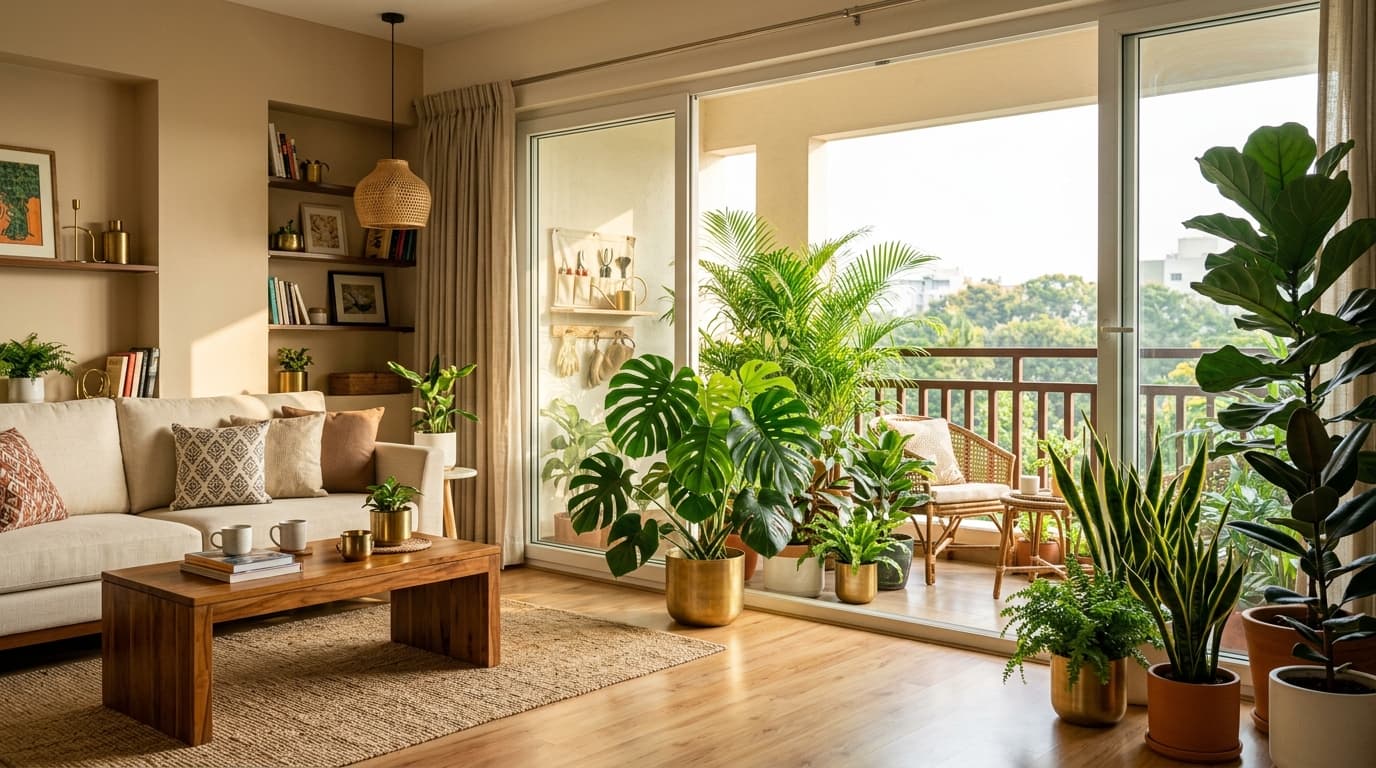
Urban indoor gardening in Indian cities comes with unique microclimates: intense tropical summers, monsoon humidity swings, and dry winter air conditioning. The key to keeping houseplants thriving is understanding that plants thrive on consistency, not constant intervention.
1. The Golden Rule of Watering: Soil Check First
Overwatering is the single most common cause of houseplant decline in urban apartments. Unlike outdoor plants exposed to sun and wind, indoor potting soil dries much slower. Always test the top 2 inches of soil with your finger or a moisture meter before adding water. If the soil clings damply, wait another 3-4 days.
Key Botanical Tips
- Water thoroughly until liquid drains from the drainage hole, then empty the saucer after 15 minutes.
- Use room-temperature water rather than cold refrigerated water to avoid root shock.
- Reduce watering frequency by 40% during monsoon and winter seasons.
2. Decoding Apartment Light Conditions
Most houseplants thrive in 'bright indirect sunlight'—the kind of diffused light you get 3 to 6 feet away from an east or north-facing window. Harsh, direct afternoon sun can scorch tender foliage, while dark corners slow photosynthesis.
Key Botanical Tips
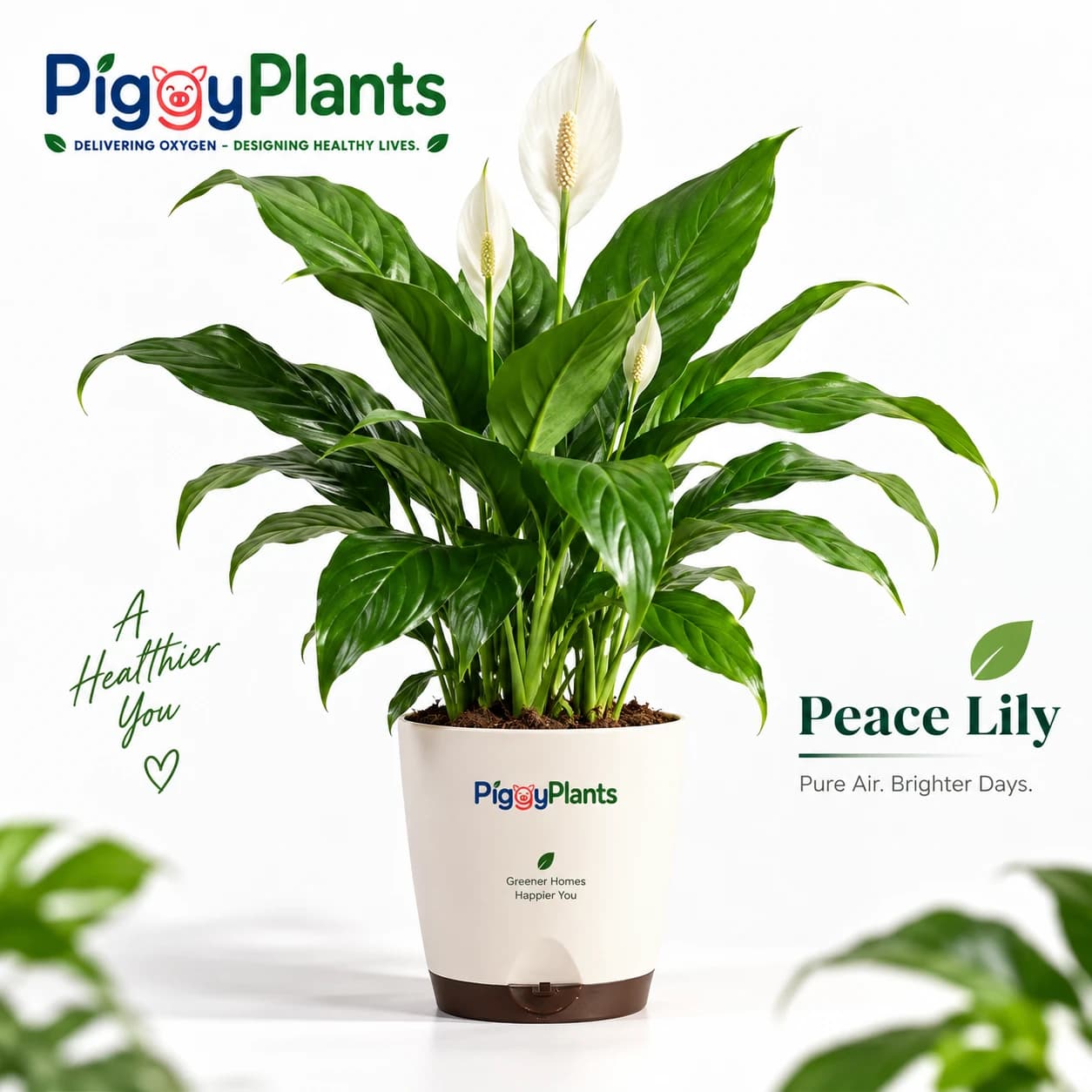
- East-facing windows: Gentle morning light suitable for ferns, peace lilies, and palms.
- West & South-facing windows: Intense light; place sheer curtains to diffuse afternoon heat.
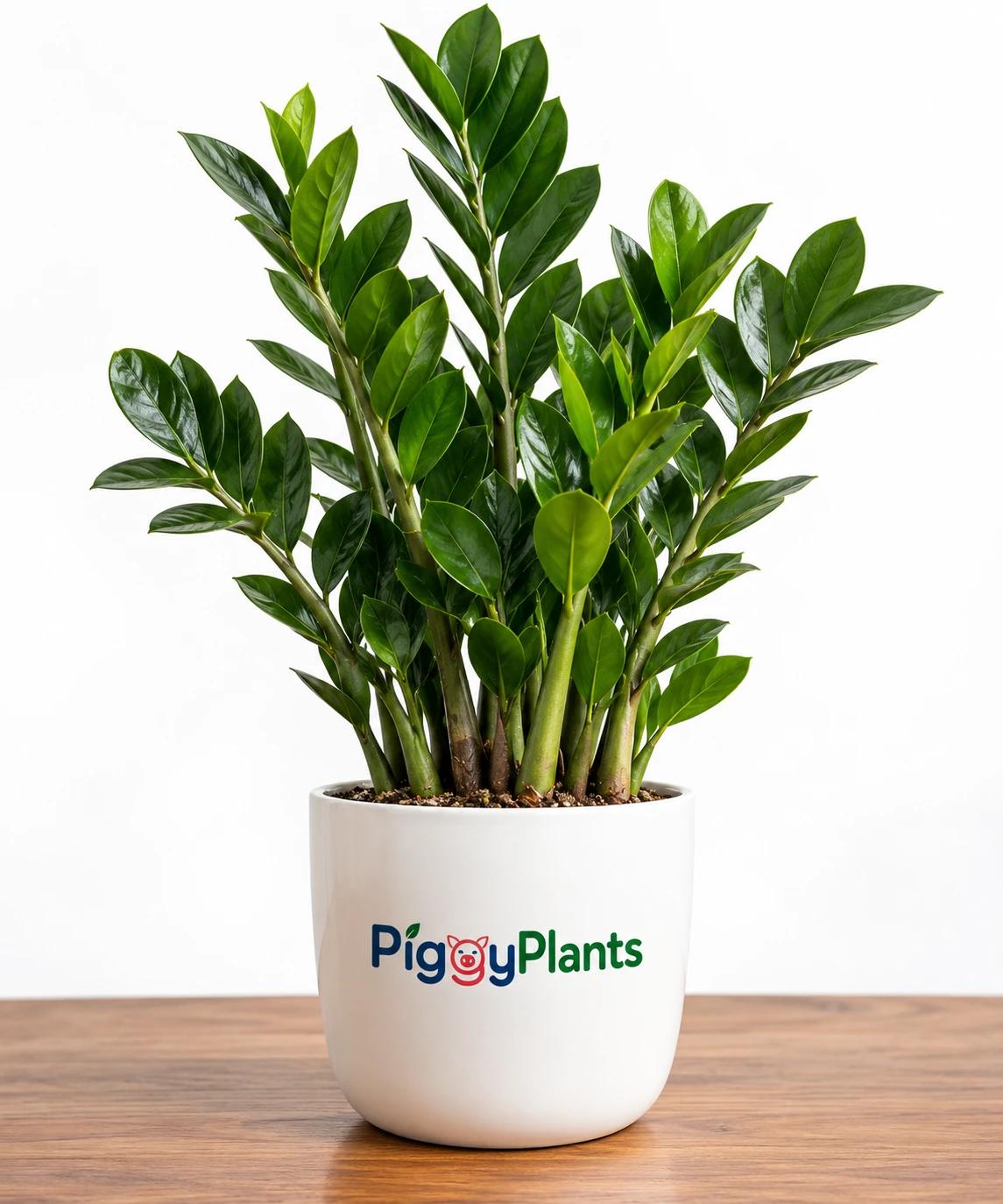
- Low-light areas: Choose resilient species like Snake Plant or ZZ Plant.
3. Air Circulation & Dust Management
In city apartments with closed windows and air conditioning, particulate dust settles onto plant leaves. This layer of dust blocks stomata (pores) and impedes photosynthesis. Gently wipe leaves once every two weeks with a damp microfiber cloth.
4. Choosing the Right Potting Medium
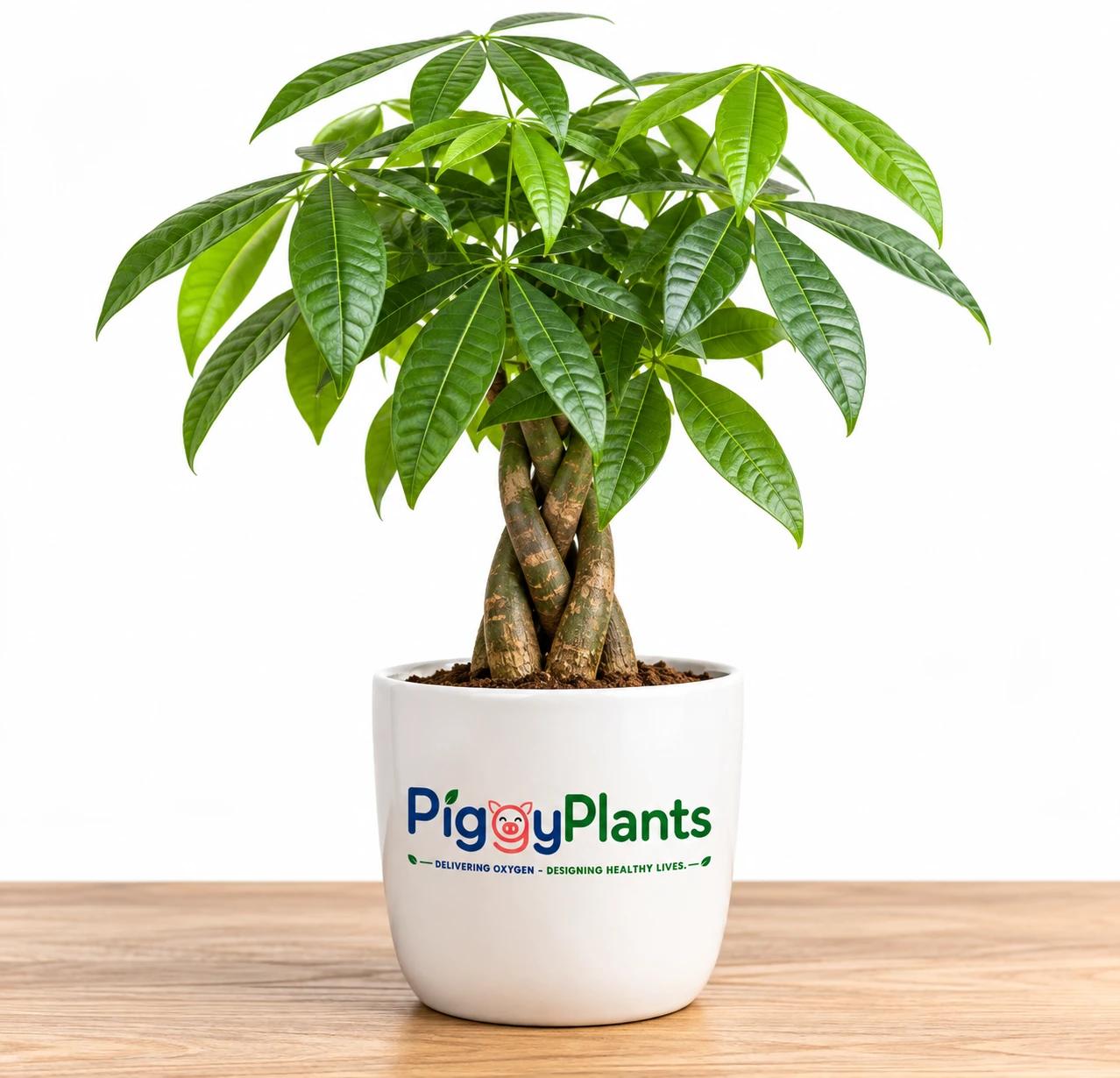
Heavy garden red soil compacts in indoor pots, suffocating roots. Piggy Plants specimens use an airy, well-draining composite of coco peat, perlite, vermicompost, and pine bark to ensure oxygen reaches root systems even after watering.
Featured Plants Mentioned in This Guide
View All 20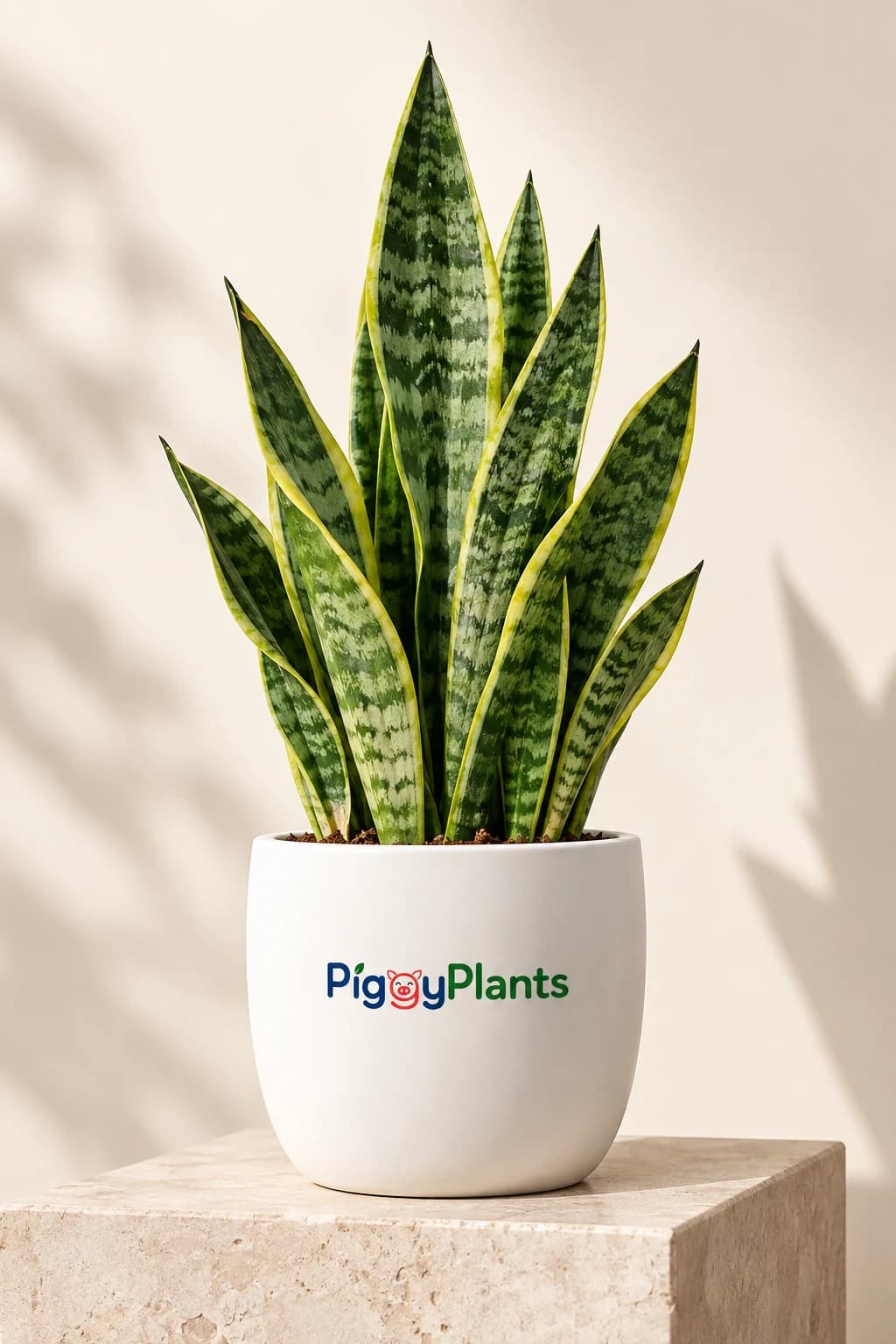
Frequently Asked Questions
How often should I water my indoor plants?
There is no rigid daily schedule. Low-light plants like Snake Plants and ZZ Plants need water every 2-3 weeks, while tropical foliage like Areca Palms and Peace Lilies typically need water once a week after checking topsoil dryness.
Why are my plant's leaf tips turning brown?
Brown crispy tips usually indicate low indoor humidity (common in AC environments) or tap water high in dissolved salts. Brown soft or yellowing tips typically point to overwatering and poorly aerated roots.