

How to Choose Indoor Plants for Your Apartment Room & Light Conditions
A practical guide to matching plants with room humidity, window orientations, and lifestyle needs.
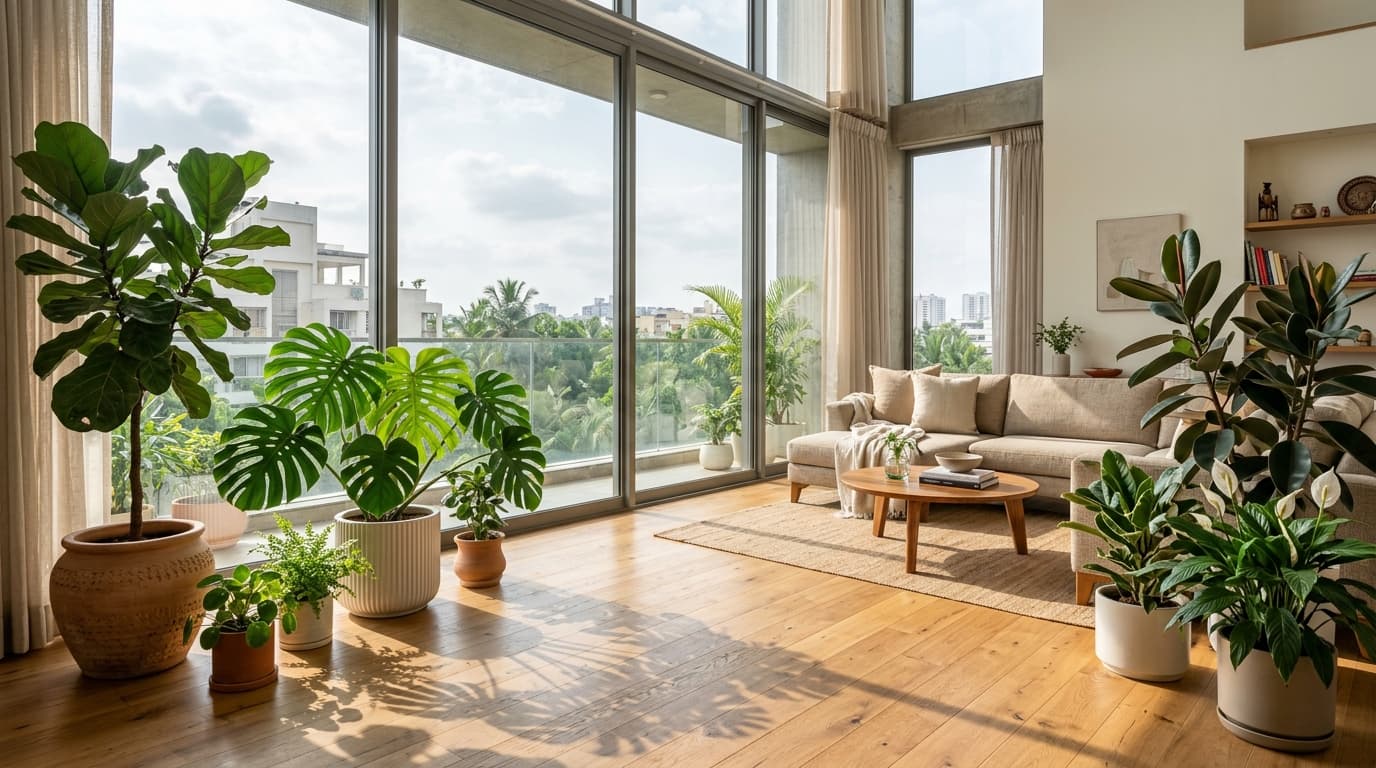
Selecting plants based purely on looks often leads to frustration when a sun-loving species struggles in a dim corridor. By diagnosing your space's sunlight, room function, and daily routine, you can select plants that thrive naturally.
1. For the Bedroom: Nocturnal Oxygen & Calmness
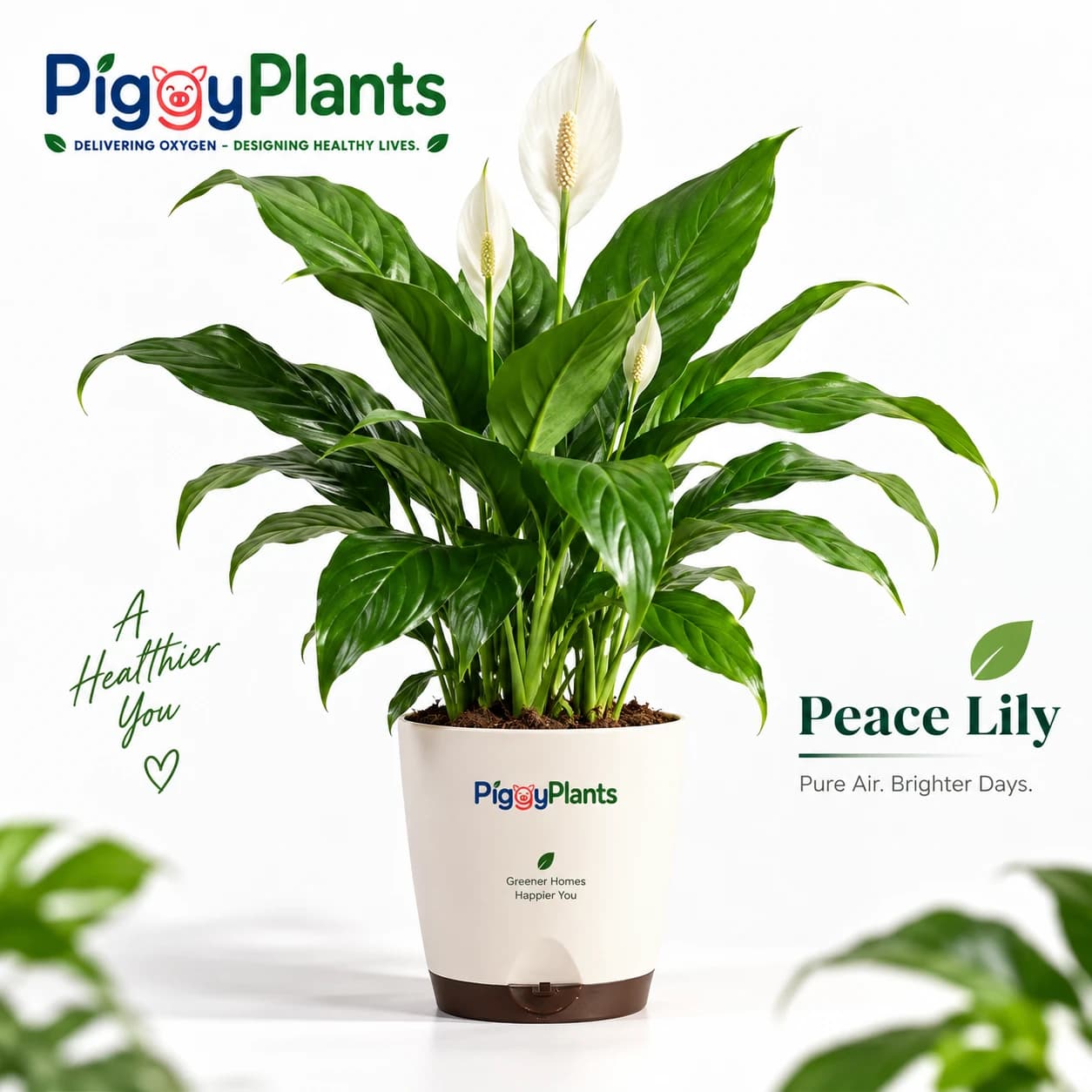
In sleeping quarters, focus on plants that conduct nocturnal oxygen production and require minimal fuss. Snake Plants, Aloe Vera, and Peace Lilies help maintain balanced nighttime ambient humidity without attracting insects.
2. For the Living Room: Statement Architecture & Air Volume
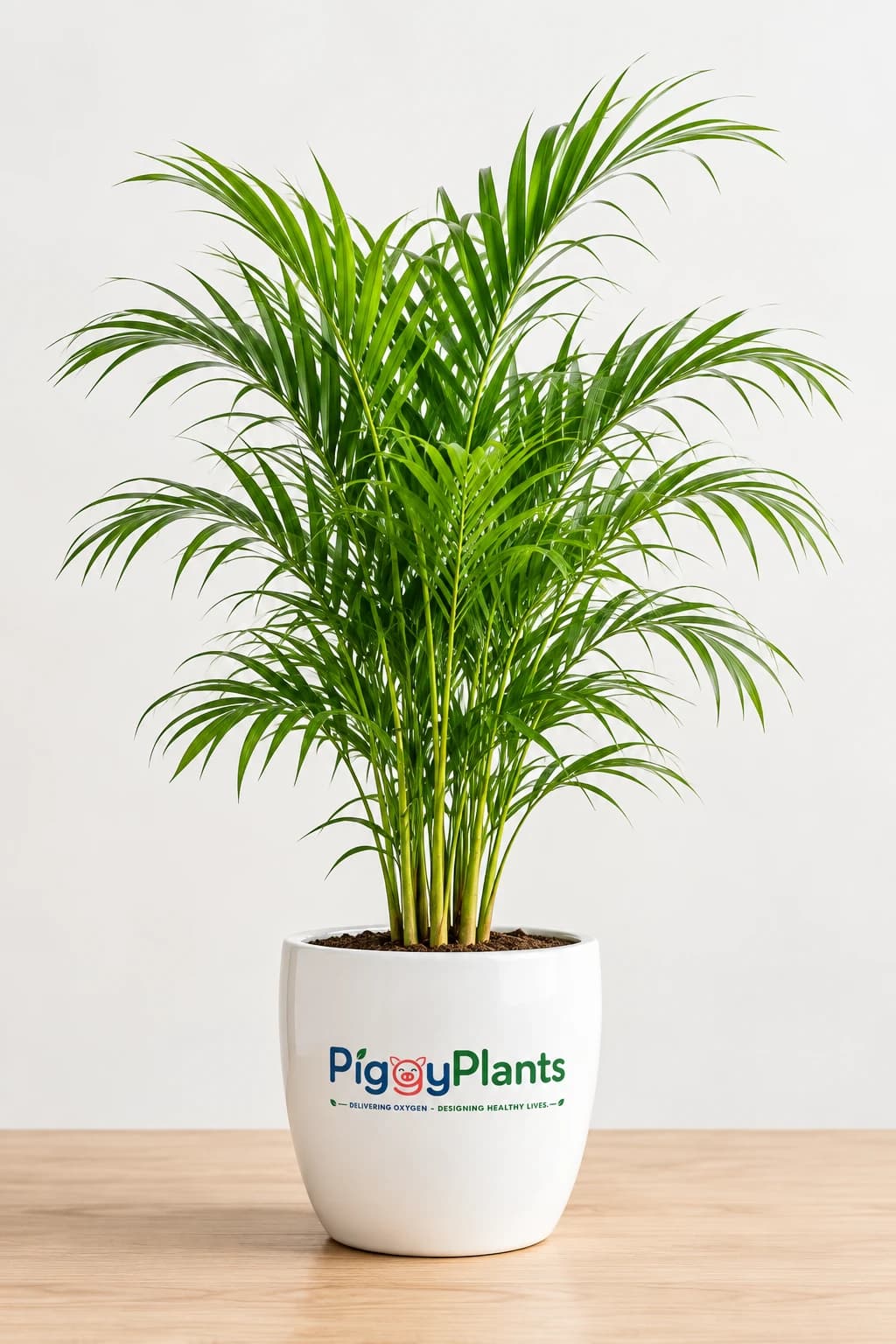
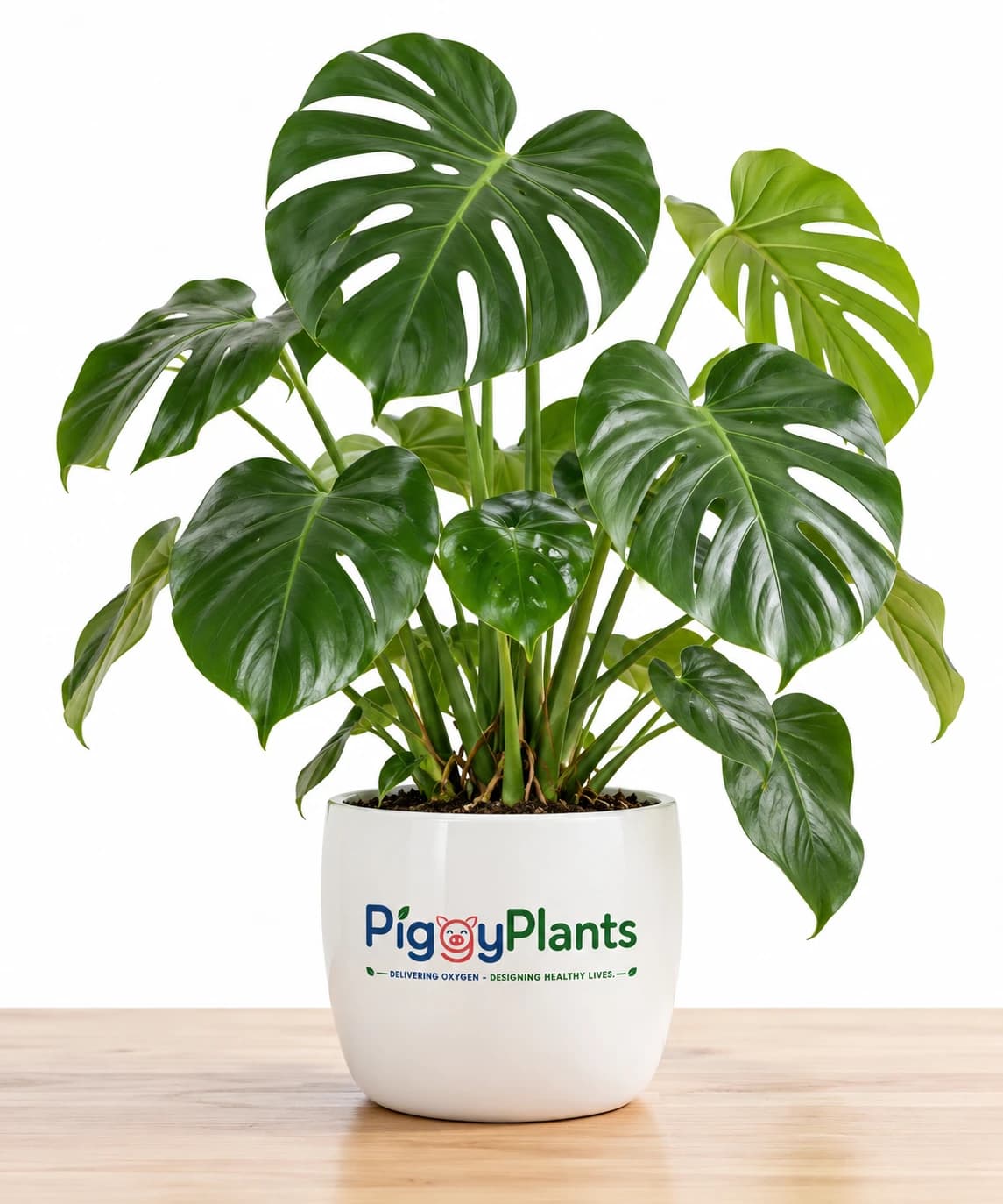
Living rooms usually feature larger windows and higher foot traffic. Statement plants like Areca Palms, Monstera Deliciosa, and Ficus Bonsai provide bold focal points while bio-filtering air across large communal spaces.
3. For Workspaces & Study Desks: Visual Relief & Focus
Compact desktop companions like ZZ Plants, Lucky Bamboo, and Air Plants provide restful greenery for eyes fatigued by monitor screens without taking up valuable work surface area.
4. For Homes with Curious Pets
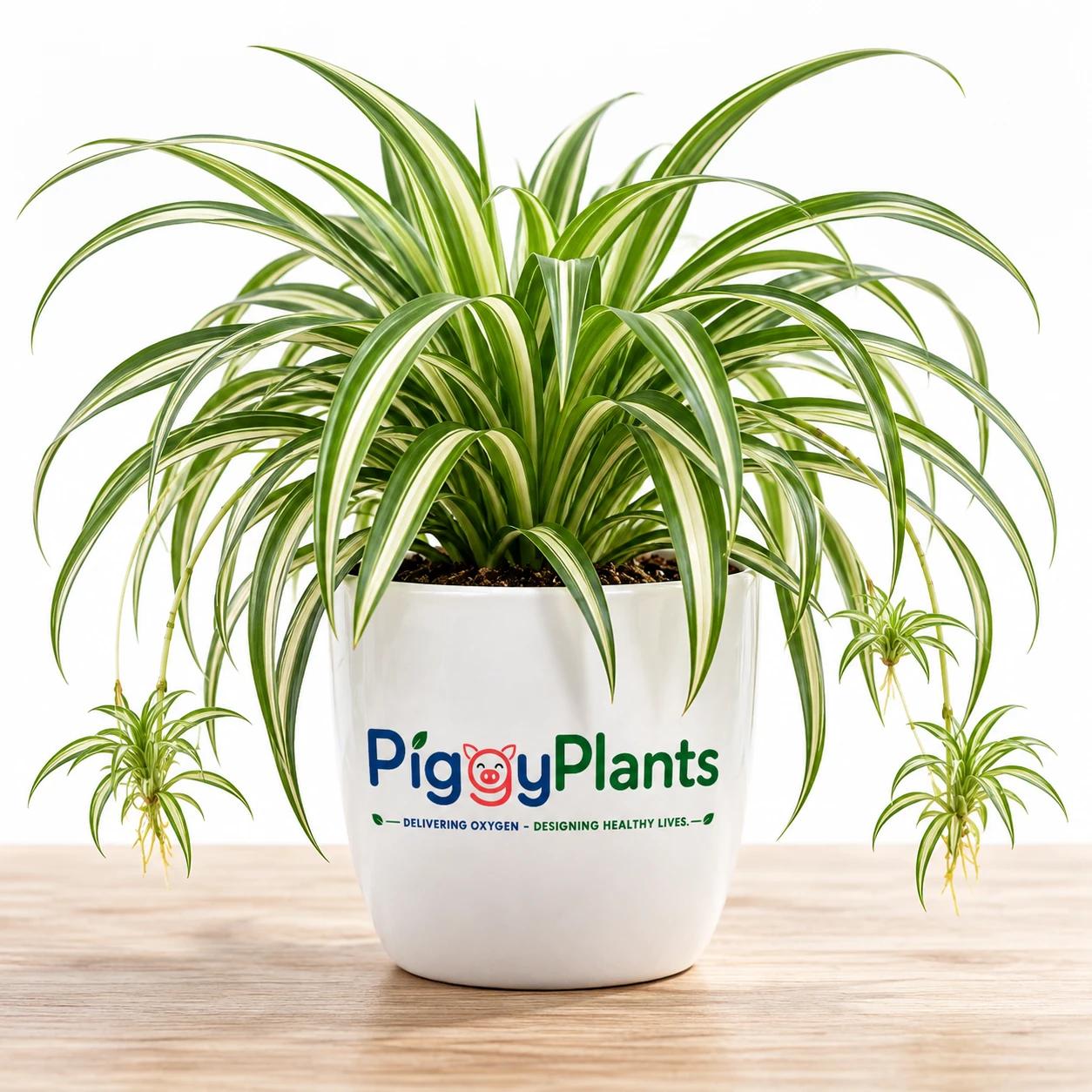
If you have cats or dogs that like to nibble greenery, choose non-toxic species verified as pet safe: Areca Palm, Boston Fern, Spider Plant, and Calathea provide lush beauty with zero toxicity risk.
Featured Plants Mentioned in This Guide
View All 20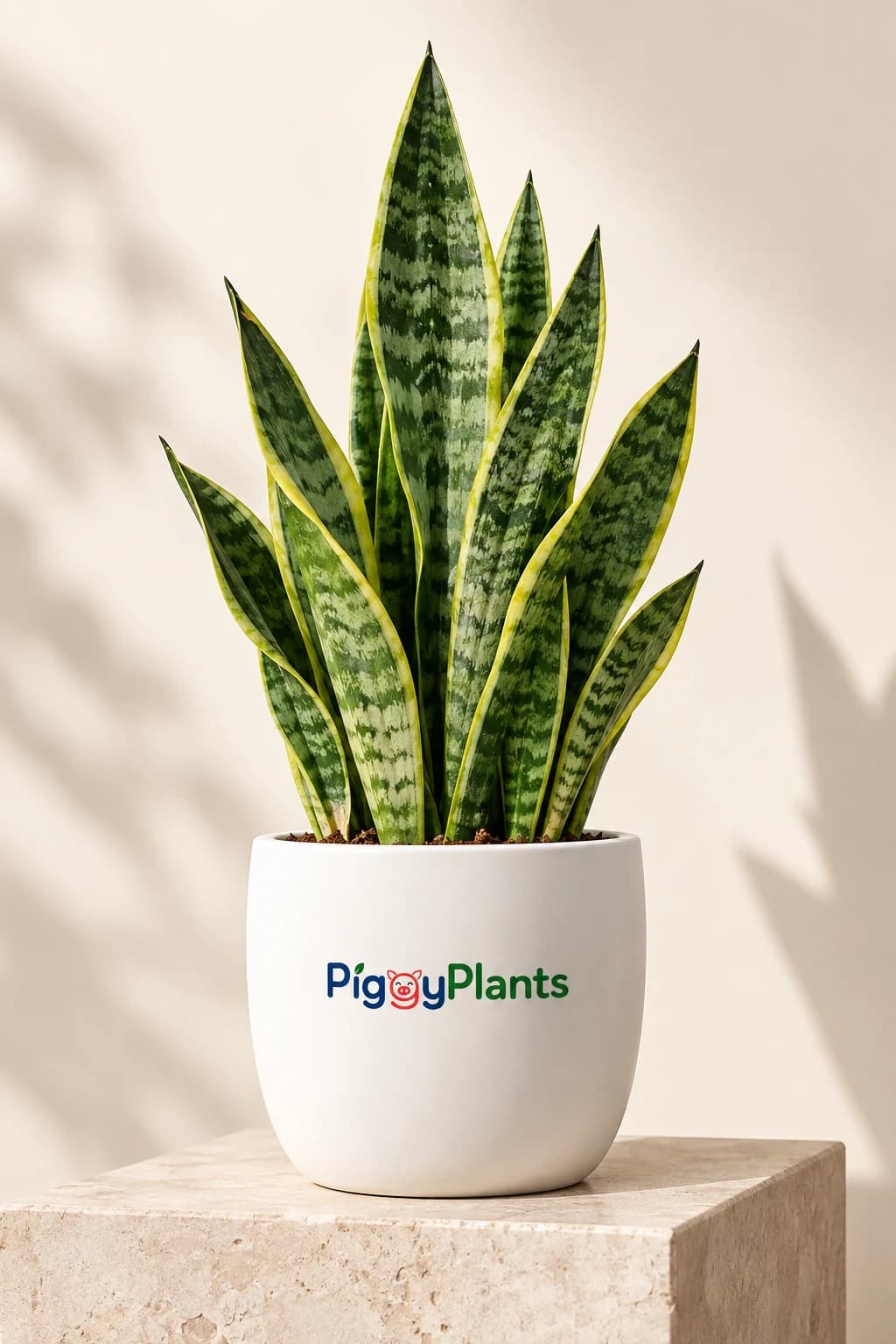
Frequently Asked Questions
What is the best low-maintenance plant for busy professionals?
The ZZ Plant and Snake Plant are the top low-maintenance champions. Both tolerate irregular watering, adapt to low light, and resist pests.
Can plants survive in rooms without windows?
No plant survives in total permanent darkness, but ZZ Plants and Snake Plants can thrive under standard office fluorescent or LED ambient lighting with occasional exposure to indirect daylight.