

Snake Plant Care Guide: Light, Watering & Bedroom Oxygen Benefits
Everything you need to know about caring for Sansevieria and maximizing its nighttime air wellness.
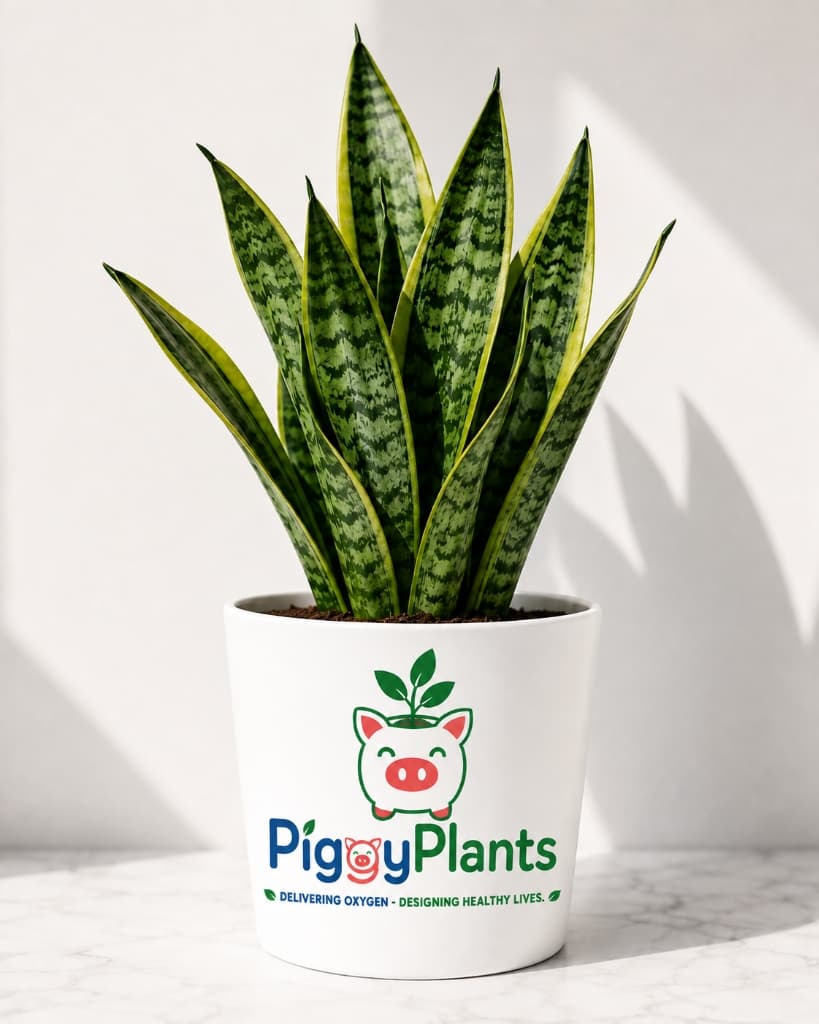
The Snake Plant (Sansevieria trifasciata, now Dracaena trifasciata) is the cornerstone of urban plant living. Known for its architectural sword-shaped leaves and exceptional resilience, it is one of the rare plant species capable of Crassulacean Acid Metabolism (CAM)—releasing oxygen throughout the night.
1. Nocturnal Oxygen Synthesis (CAM Mechanism)
Most plants absorb CO₂ and release oxygen only during daytime sunlight. The Snake Plant opens its stomata at night to prevent moisture loss in arid habitats, absorbing carbon dioxide and synthesizing oxygen while you sleep. This makes it the premier plant for bedrooms and study desks.
2. Light Flexibility: From Dim Rooms to Sunlit Balconies
Snake Plants tolerate a wider range of lighting than almost any other houseplant. While they survive comfortably in low-light corridors and shaded corners, they grow vigorously and maintain deeper emerald striations when given bright indirect light.
3. Conservative Watering Strategy
Snake Plants store reserves of moisture in their thick, fibrous rhizomes. They prefer the soil to dry out completely between waterings. In typical Indian city conditions, watering once every 2 to 3 weeks is sufficient. Overwatering is the only real threat to this indestructible plant.
Key Botanical Tips
- Never pour water directly into the central rosette/crown to avoid rot.
- In rainy months or winter, extend watering intervals to once every 3 to 4 weeks.
- If leaves look wrinkly or puckered, give the pot a thorough drink.
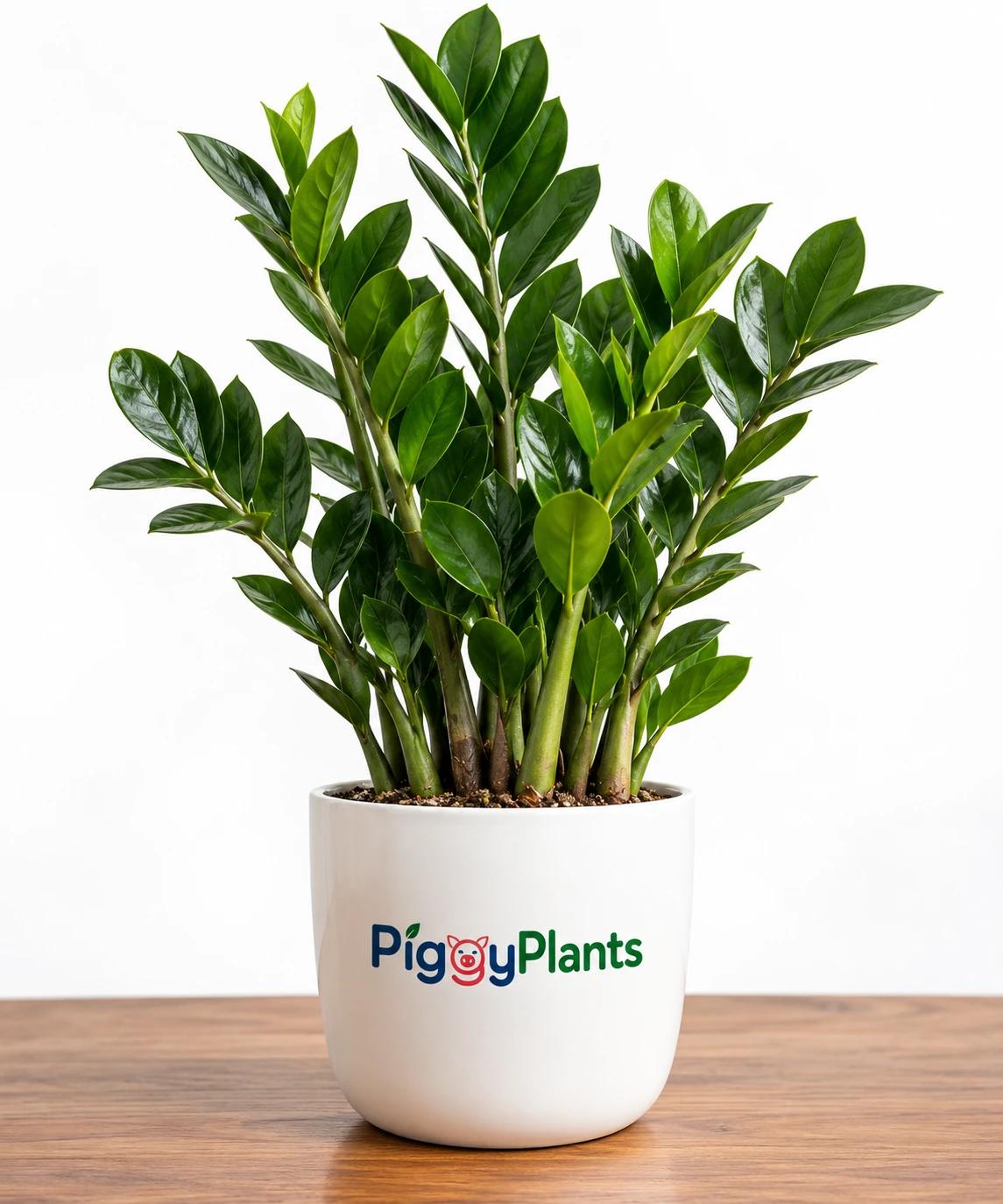
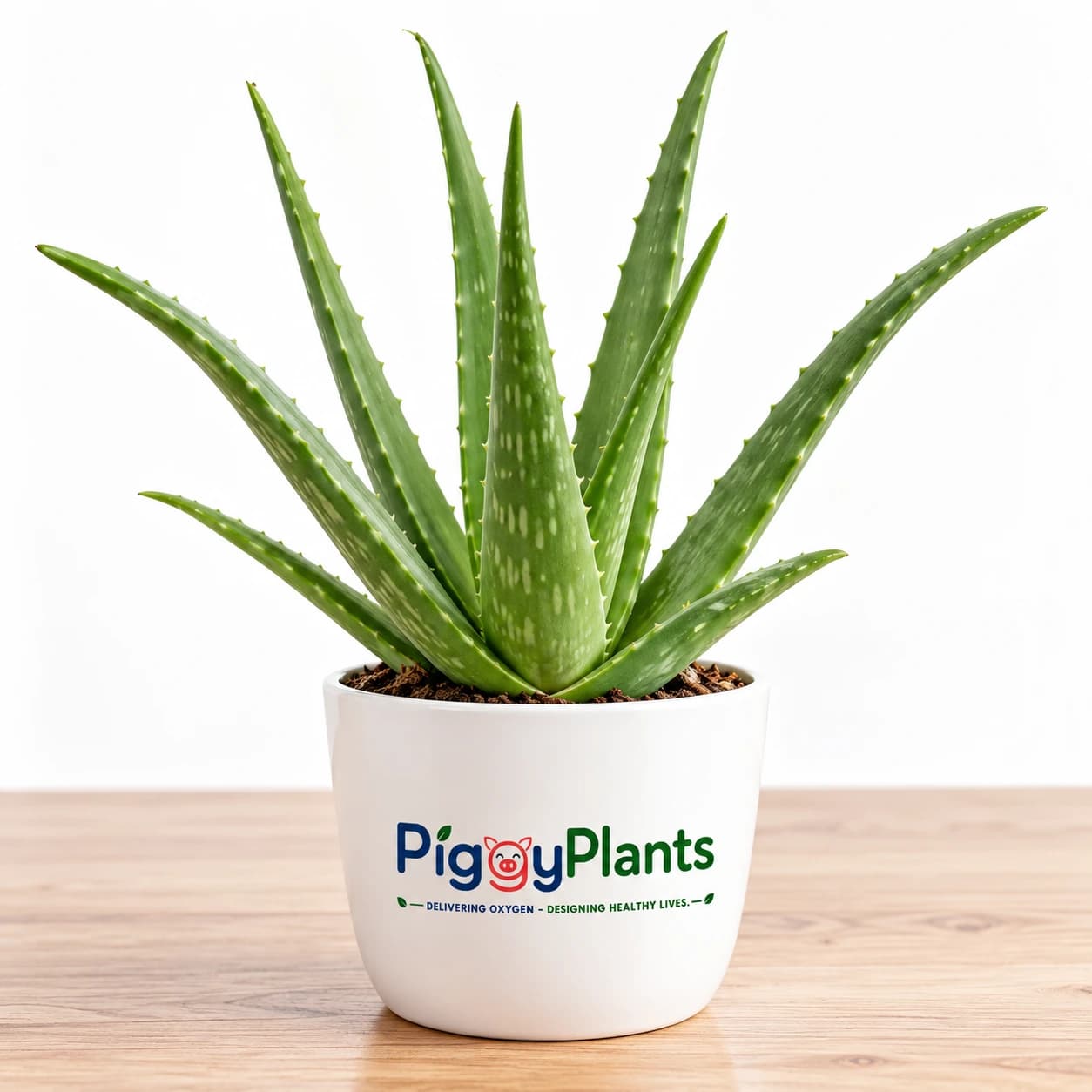
Featured Plants Mentioned in This Guide
View All 20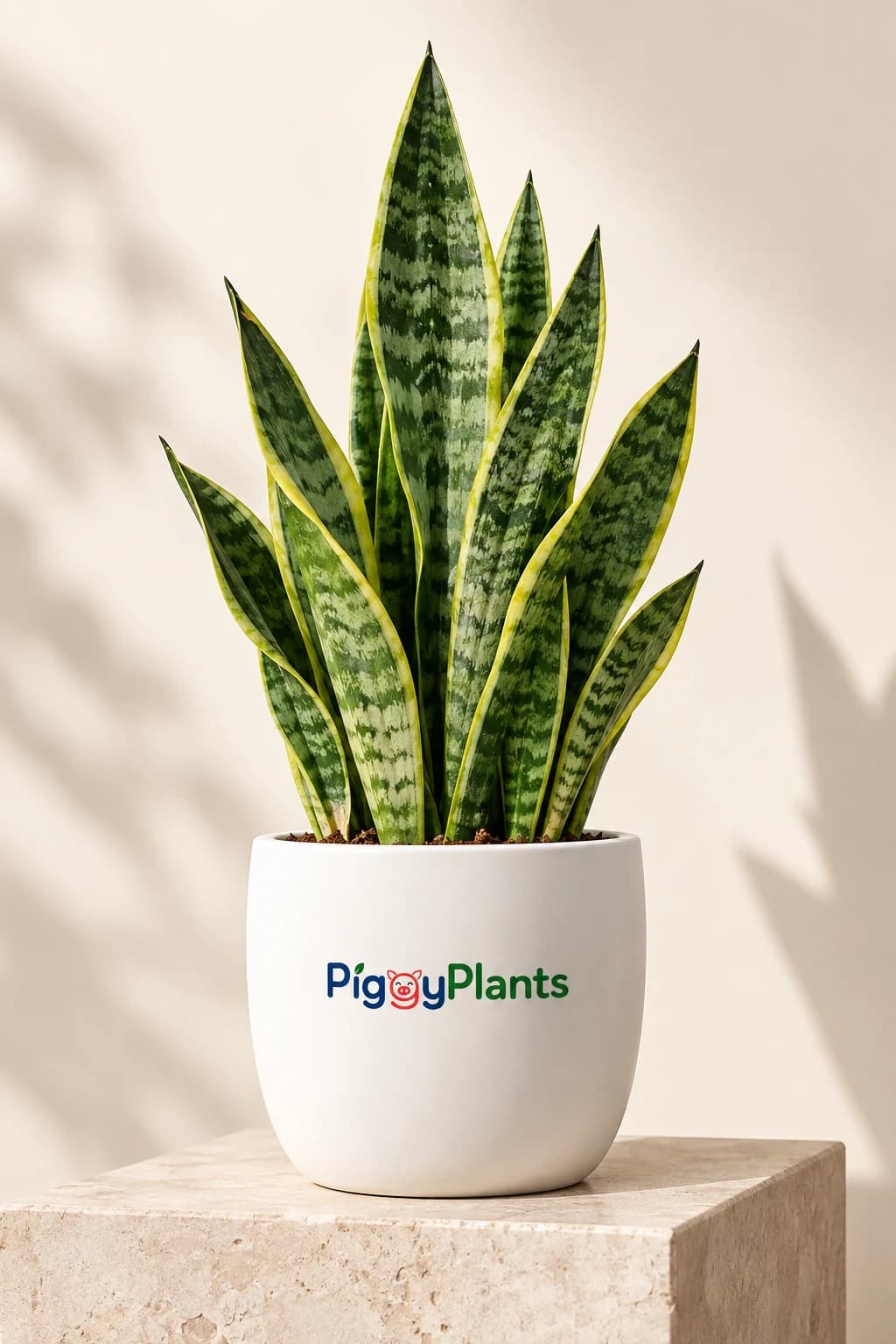
Frequently Asked Questions
Is Snake Plant good for bedrooms?
Yes, it is one of the most recommended bedroom plants because it conducts CAM photosynthesis, absorbing carbon dioxide and producing oxygen through the night.
Is Snake Plant safe for dogs and cats?
Snake Plants contain saponins, which can cause mild digestive upset if chewed by curious pets. We recommend placing them on plant stands, side tables, or shelves out of reach of puppies and kittens.